Why I Hit Pause on Anti-Aging Hype — And What Really Boosted My Vitality
I used to chase every anti-aging trend—expensive serums, restrictive diets, endless supplements. But instead of feeling younger, I felt drained and confused. Turns out, many of us are focusing on the wrong things. True anti-aging isn’t about looking flawless—it’s about feeling strong, energized, and alive every day. This is what changed everything for me. After years of chasing external fixes, I realized that lasting vitality comes not from bottles or procedures, but from how I live my days. The real secret lies in sustainable choices that support the body’s natural ability to renew, repair, and thrive. This shift didn’t just improve my health—it transformed my relationship with aging itself.
The Illusion of Youth: Redefining Anti-Aging Beyond Wrinkles
For decades, the message has been clear: youth equals beauty, and beauty means smooth skin, tight contours, and a flawless complexion. Advertisements, social media, and even well-meaning friends often equate looking young with being healthy. But this narrow view overlooks a deeper truth—true anti-aging is not about how you appear in a photograph, but how you feel when you wake up in the morning. It’s about having the energy to play with your grandchildren, the strength to carry groceries without strain, and the mental clarity to remember names, appointments, and stories that matter.
Biologically, aging is a complex process involving cellular wear, hormonal shifts, and declining organ efficiency. While wrinkles are visible signs of time, they are not reliable indicators of overall health. A woman with laugh lines may have a more resilient cardiovascular system than someone with smoother skin but high stress and poor sleep. The real markers of healthy aging include stamina, joint mobility, immune function, and emotional balance—none of which can be measured by a mirror.
Shifting the focus from appearance to function changes everything. When you prioritize how your body performs over how it looks, you begin to make different choices. Instead of asking, “Does this cream erase fine lines?” you start asking, “Does this habit help me sleep better or reduce inflammation?” This mindset aligns with what science increasingly confirms: longevity and vitality are rooted in lifestyle, not luxury skincare. Studies show that people who maintain physical activity, emotional resilience, and strong social connections tend to live longer, healthier lives—regardless of their wrinkle count.
Reframing anti-aging as a pursuit of well-being rather than beauty doesn’t diminish the desire to look good—it simply places it in context. Looking refreshed becomes a side effect of feeling strong, not the sole goal. This approach is especially empowering for women in their 30s, 40s, 50s, and beyond, who are often bombarded with messages suggesting they must fight time. Instead, they can choose to work with it, building a life that supports natural vitality at every stage.
The Most Common Anti-Aging Pitfalls (And Why They Backfire)
One of the most common missteps in the quest for youth is over-relying on topical solutions. Serums, creams, and masks promise to reverse time, but they only address the surface. Skin health is deeply connected to internal factors—hydration, nutrient intake, hormonal balance, and inflammation levels. No amount of retinol can compensate for chronic dehydration or poor digestion. In fact, obsessing over external fixes can distract from the habits that truly matter, leading to a false sense of progress while underlying issues go unaddressed.
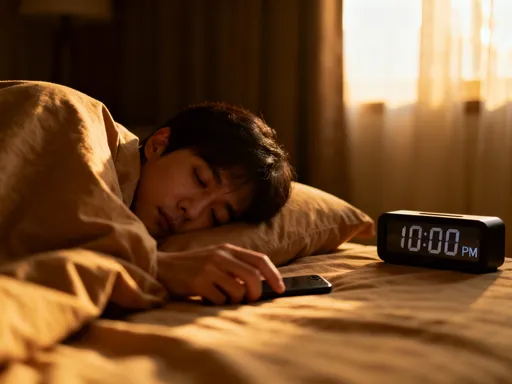
Another widespread mistake is sacrificing sleep for quick fixes. Many women skip rest to fit in extra workouts, early morning routines, or late-night tasks, believing that productivity equals control. But sleep is not optional when it comes to aging. During deep sleep, the body repairs tissues, clears brain toxins, and regulates hormones like cortisol and melatonin. Chronic sleep deprivation increases oxidative stress, accelerates cellular aging, and contributes to weight gain, brain fog, and mood imbalances. Research consistently shows that poor sleep is linked to earlier onset of age-related conditions, including cognitive decline and metabolic dysfunction.
Detox trends are another area where good intentions go astray. Juice cleanses, extreme fasting, and restrictive elimination diets are often marketed as ways to “reset” the body. But the liver and kidneys are already highly efficient at filtering toxins—no special diet is needed to support them under normal conditions. When these detox methods involve severe calorie restriction or nutrient imbalances, they can actually stress the body, disrupt metabolism, and trigger muscle loss. Muscle mass is a key predictor of longevity; losing it speeds up functional decline. Instead of short-term cleanses, the body benefits more from consistent, nutrient-dense eating that supports organ function without strain.
Stress is often overlooked as an aging accelerator. Emotional stress, financial pressure, and the constant pull of digital notifications keep the nervous system in a state of low-grade alert. This chronic activation raises cortisol levels, which over time breaks down collagen, weakens the immune system, and promotes fat storage around the abdomen. Unlike acute stress, which can be motivating, chronic stress wears down the body’s reserves. Yet many women accept it as normal, not realizing that how they respond to daily pressures directly influences their biological age. Addressing stress isn’t a luxury—it’s a foundational anti-aging strategy.
Chasing Quick Fixes: When "Faster" Actually Ages You Faster
The desire for rapid results is understandable, especially when aging feels like an accelerating process. But many fast-track solutions come with hidden costs. Extreme fasting protocols, for example, may lead to short-term weight loss, but they can also disrupt hormonal balance, particularly in women. The female endocrine system is highly sensitive to energy availability. When food intake drops too low or too suddenly, the body may respond by slowing metabolism, reducing thyroid function, and altering reproductive hormones. Over time, this can lead to fatigue, hair thinning, and irregular cycles—symptoms that mimic premature aging.
Aggressive cosmetic procedures, while effective for some, also carry risks when used without addressing underlying health. Botox, fillers, and laser treatments can smooth skin, but they don’t improve skin quality from within. Without proper hydration, antioxidant intake, and sun protection, the results may be short-lived. More concerning, an overreliance on procedures can create a cycle of dependency, where the focus remains on correction rather than prevention. True skin resilience comes from collagen production, which is supported by adequate protein, vitamin C, and rest—not just injections.
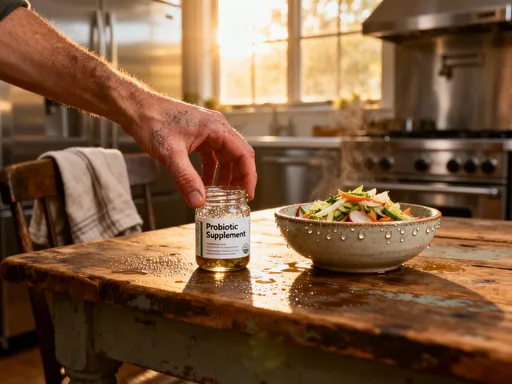
Another example is the trend of over-supplementing. The market is flooded with anti-aging pills promising to boost NAD+, lengthen telomeres, or enhance mitochondrial function. While some ingredients like omega-3 fatty acids, vitamin D, and magnesium have strong scientific backing, others lack sufficient evidence in real-world populations. Taking high doses of unproven supplements can strain the liver, interact with medications, or create imbalances. The body is not designed to process isolated compounds in large amounts; it thrives on whole foods that deliver nutrients in balanced ratios.
The deeper issue with quick fixes is that they reinforce the idea that aging is a problem to be solved urgently. This mindset fuels anxiety and impatience, which in turn increase stress—the very thing that accelerates aging. Sustainable change, on the other hand, operates on a different timeline. It’s not about erasing years in weeks, but about building resilience day by day. Women who adopt gradual, consistent habits often find that their energy, mood, and appearance improve naturally over time, without the burnout or backlash that come from extreme measures.
The Hidden Cost of Neglecting Core Habits
Beneath the noise of trends and products lies a quiet truth: the most powerful anti-aging tools are also the simplest. Sleep, hydration, movement, and emotional well-being form the foundation of long-term vitality. Yet these core habits are often dismissed as “basic” or “not exciting enough” compared to the latest superfood or high-tech device. The irony is that no supplement or serum can compensate for their absence. When neglected, even the most advanced interventions fall short.
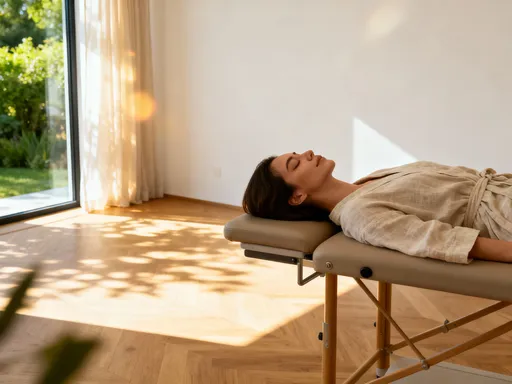
Sleep, in particular, is a non-negotiable pillar of health. During the night, the brain flushes out metabolic waste through the glymphatic system, a process that is most active during deep sleep. This cleansing is critical for preventing cognitive decline and maintaining mental sharpness. Growth hormone, which supports tissue repair and muscle maintenance, is also released primarily during sleep. Women who consistently get seven to eight hours of quality rest report better mood, clearer skin, and more stable energy—effects that no caffeine or cosmetic treatment can replicate.
Hydration is another overlooked factor. Water is involved in every cellular process, from nutrient transport to temperature regulation. Chronic, low-level dehydration can manifest as dry skin, fatigue, constipation, and even joint stiffness. Many women don’t drink enough water, mistaking thirst for hunger or relying on coffee and tea, which can have mild diuretic effects. Simply increasing water intake—especially first thing in the morning—can improve circulation, support kidney function, and enhance skin elasticity. The benefits are subtle but cumulative, reinforcing the body’s natural rhythms.
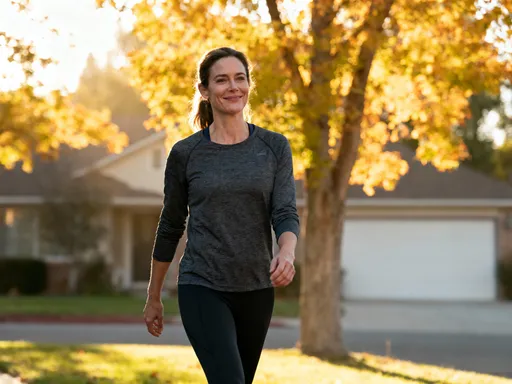
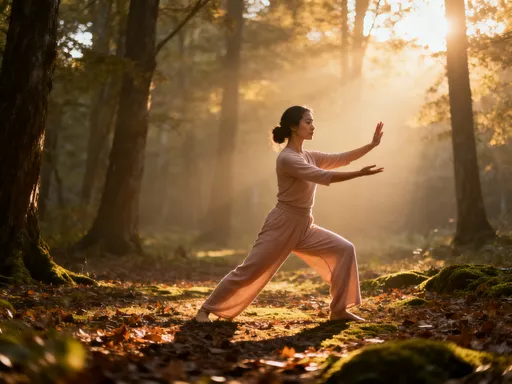
Daily movement is equally essential. Unlike intense workouts that may be hard to sustain, gentle, consistent activity—such as walking, stretching, or gardening—keeps joints lubricated, circulation strong, and metabolism active. Sedentary behavior, on the other hand, accelerates muscle loss and stiffness, contributing to a decline in independence as women age. The goal isn’t to train for a marathon, but to stay mobile and engaged with life. Women who incorporate movement into their routines, even in small ways, often find that they feel more capable and confident in their bodies.
Emotional well-being completes this foundation. Feelings of connection, purpose, and calm are not just “nice to have”—they are physiological regulators. Positive emotions reduce inflammation, support heart health, and improve immune response. Women who prioritize time with loved ones, engage in meaningful activities, or practice mindfulness tend to age more gracefully, not because they avoid challenges, but because they build resilience through connection and self-awareness.
Mindset Matters: How Stress and Comparison Accelerate Aging
The mind-body connection is one of the most powerful yet underutilized tools in healthy aging. Chronic stress, whether from work, family responsibilities, or constant digital exposure, activates the body’s fight-or-flight response. This leads to elevated cortisol, which, over time, breaks down muscle and bone, suppresses immune function, and increases fat storage. High cortisol levels are also linked to thinner skin and slower wound healing—direct contributors to an aged appearance.
Equally damaging is the habit of comparison, especially in the age of social media. Scrolling through images of seemingly perfect lives, bodies, and routines can trigger feelings of inadequacy. This subtle but persistent self-judgment fuels low-grade anxiety, which keeps the nervous system on edge. The brain doesn’t distinguish well between real threats and perceived ones—so the stress response remains active even when there’s no physical danger. Over time, this wears down the body’s ability to recover and regenerate.
Shifting the mindset from comparison to self-compassion can have profound effects. Women who practice gratitude, for example, often report better sleep, improved mood, and greater life satisfaction. Simple daily habits—like writing down three things they’re thankful for or pausing to appreciate a quiet moment—can lower cortisol and increase feelings of well-being. These practices don’t erase challenges, but they change how the body responds to them.
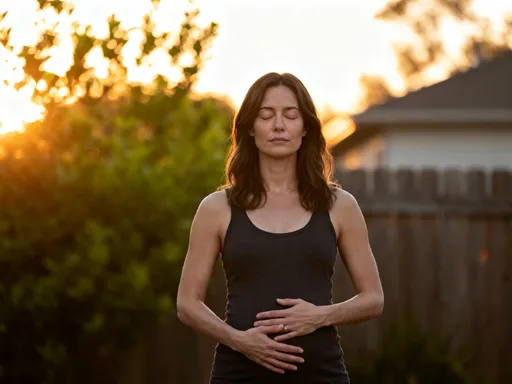
Mindful breaks throughout the day also help reset the nervous system. Stepping away from screens, taking a few deep breaths, or stepping outside for fresh air signals the body that it’s safe. These moments of pause allow the parasympathetic system—the “rest and digest” mode—to engage, promoting repair and balance. Over time, this reduces the wear and tear of chronic stress, supporting healthier aging at the cellular level.
Digital detoxes, even short ones, can be transformative. Limiting screen time, especially before bed, improves sleep quality and reduces mental clutter. Many women find that stepping back from constant notifications allows them to reconnect with their own rhythms and priorities. This sense of control and presence is a form of self-care that directly supports longevity.
Building a Sustainable Routine: Simple Steps That Add Up
The most effective anti-aging strategy isn’t a radical overhaul—it’s a series of small, consistent choices that fit into real life. Perfection isn’t the goal; consistency is. A sustainable routine respects the demands of daily life while making space for health-supporting habits. It doesn’t require extra hours or expensive tools—just intention and repetition.
Start with morning hydration. Drinking a glass of water upon waking rehydrates the body after hours without fluids, kickstarts metabolism, and supports digestion. Adding a slice of lemon can enhance flavor and provide a small boost of vitamin C, which supports collagen production. This simple act sets a nourishing tone for the day.
Midday movement is another key habit. A ten-minute stretch, a short walk around the block, or even gentle yoga at the kitchen counter can relieve tension, improve circulation, and refresh the mind. These micro-movements prevent stiffness and keep energy levels stable, especially when sitting for long periods. The goal is not exercise as a chore, but movement as a form of self-respect.
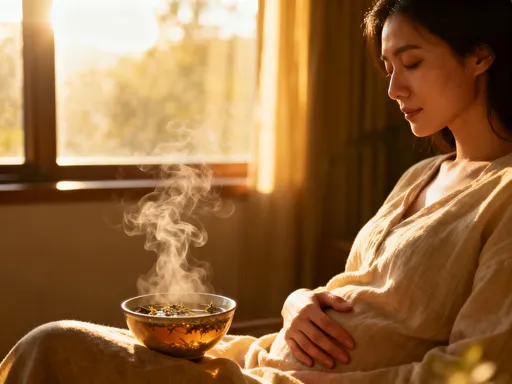
Evening wind-downs are equally important. Creating a calming routine—such as dimming the lights, sipping herbal tea, or reading a book—signals the body that it’s time to rest. Avoiding screens for at least an hour before bed supports melatonin production, making it easier to fall asleep and stay asleep. Quality sleep, in turn, enhances every other aspect of health, from mood to immunity.
Nutrition plays a supporting role in this routine. Instead of restrictive diets, focus on adding nourishing foods—colorful vegetables, lean proteins, healthy fats, and fiber-rich grains. These provide the building blocks for cellular repair, hormone balance, and sustained energy. Eating mindfully, without distractions, also improves digestion and satisfaction, reducing the urge to overeat.
Over time, these small habits compound. They don’t promise overnight transformation, but they deliver something more valuable: a steady increase in vitality. Women who adopt this approach often find that they feel stronger, think more clearly, and enjoy life more fully—not because they’ve erased signs of aging, but because they’ve built a life that supports their well-being.
Aging With Purpose: Shifting From Fear to Empowerment
Aging does not have to be a story of loss. While it’s natural to notice changes—slower recovery, shifting energy patterns, new aches—these are not signs of decline, but invitations to adapt. The most fulfilling approach to aging is not resistance, but evolution. It’s about recognizing that each stage of life brings new strengths: wisdom, perspective, emotional depth, and a clearer sense of what truly matters.
When women shift from fearing aging to embracing it as a journey of growth, they reclaim power. They stop chasing an impossible standard of youth and start investing in what enhances their daily experience. This might mean prioritizing rest without guilt, choosing activities that bring joy, or setting boundaries to protect their energy. These choices are not selfish—they are essential for sustained vitality.
True anti-aging is not a destination. It’s a daily practice of listening to the body, honoring its needs, and making choices that support long-term well-being. It’s found in the quiet moments—a deep breath, a glass of water, a walk in the sun—that add up to a life well-lived. Health is not measured in years, but in the quality of those years.
By letting go of the hype and returning to the fundamentals, women can age not just gracefully, but vibrantly. They can feel strong, energized, and fully alive—regardless of the number on the calendar. This is not about stopping time, but about living fully within it. And that, more than any serum or trend, is the real secret to lasting vitality.