Time Stops for No One — But What If You Could Slow It Down?
Aging isn’t just about wrinkles or gray hair — it’s deeply tied to long-term health and disease risk. As science evolves, we’re learning that small daily choices can powerfully influence how well we age. From energy levels to chronic illness prevention, the habits you build now matter. Research shows that lifestyle factors account for up to 75% of how we age, far outweighing genetic inheritance. This means you’re not powerless against time. I’ve tested simple, research-backed strategies that support vitality and resilience. This isn’t about chasing youth — it’s about staying strong, healthy, and capable as time moves forward. The goal isn’t just to add years to life, but life to years.
The Real Meaning of Anti-Aging: Beyond Skin Deep
When most people hear “anti-aging,” they think of creams, serums, or cosmetic procedures. But true anti-aging goes far beyond appearance. It’s about preserving the body’s ability to function well — from the heart pumping efficiently to the brain staying sharp and the immune system fighting off illness. Biological aging affects every cell, tissue, and organ, increasing the risk of chronic conditions such as heart disease, type 2 diabetes, osteoporosis, and cognitive decline. These are not inevitable consequences of growing older; they are often the result of long-term lifestyle patterns that accelerate cellular damage.
Scientists now emphasize the concept of healthspan — the number of years lived in good health, free from serious disease and disability. Unlike lifespan, which simply measures how long you live, healthspan focuses on quality. Two people may both live to 85, but one spends their final 15 years managing multiple medications and mobility issues, while the other hikes, travels, and enjoys time with grandchildren. The difference often comes down to daily habits formed decades earlier. By making intentional choices now, you can help protect your body’s systems and delay or even prevent many age-related diseases.
The good news is that aging is not a one-way downhill slide. Research in the field of epigenetics reveals that your behaviors — what you eat, how you move, how you sleep — can influence how your genes are expressed. In other words, you have more control than you might think. While you can’t change your DNA, you can influence how it behaves. Simple, consistent actions like eating more vegetables, walking daily, and managing stress can slow biological aging at the cellular level. This is not about perfection, but about progress — small shifts that add up to meaningful protection over time.
Fuel Your Body Like a Longevity Machine
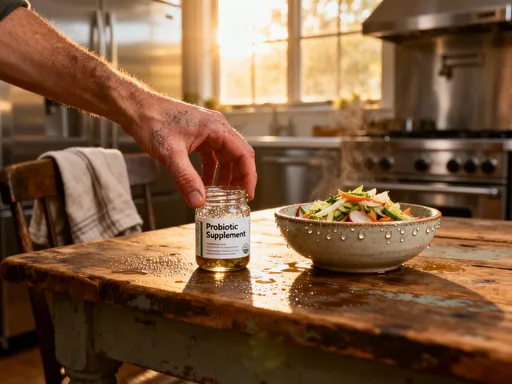
What you eat plays a central role in how you age. Food is not just fuel — it’s information that tells your cells how to function. A diet rich in whole, unprocessed foods supports cellular repair, reduces inflammation, and helps maintain stable energy levels throughout the day. On the other hand, diets high in refined sugars, unhealthy fats, and processed ingredients can increase oxidative stress — a key driver of aging — and raise the risk of chronic diseases. The goal is not strict dieting or deprivation, but building a sustainable way of eating that nourishes your body for the long term.
Studies of populations with exceptional longevity — people who live well into their 90s and beyond in good health — reveal common dietary patterns. These include a strong emphasis on plant-based foods: vegetables, fruits, legumes, nuts, seeds, and whole grains. These foods are rich in antioxidants, fiber, and phytonutrients that protect cells from damage. Healthy fats, such as those found in olive oil, avocados, and fatty fish, support brain health and reduce inflammation. Protein is included in moderate amounts, often from fish, beans, or poultry, rather than red or processed meats. These eating patterns naturally limit added sugars and refined carbohydrates, which can spike blood sugar and contribute to insulin resistance over time.
Translating this into everyday meals doesn’t require drastic changes. Start by filling half your plate with vegetables at lunch and dinner. Choose whole grains like brown rice or quinoa instead of white bread or pasta. Snack on a handful of nuts or a piece of fruit instead of processed treats. Use herbs and spices to flavor food instead of relying on salt or sugar. These small adjustments can have a big impact on how you feel today and how well you age in the years ahead. The key is consistency — making these choices most of the time, not every single time.
Blood sugar balance is another critical factor. When blood sugar spikes and crashes repeatedly, it can lead to fatigue, mood swings, and long-term metabolic problems. Eating meals that combine fiber, healthy fats, and protein helps slow the release of glucose into the bloodstream, keeping energy levels steady. For example, pairing an apple with almond butter or having beans with a whole grain creates a balanced meal that supports both immediate energy and long-term health. Over time, this approach reduces the strain on the pancreas and lowers the risk of developing type 2 diabetes, a condition that accelerates many aspects of aging.
Move It or Lose It: Why Movement Is Non-Negotiable
Physical activity is one of the most powerful tools for slowing biological aging. It’s not just about maintaining a healthy weight or building muscle — exercise influences aging at the cellular level. Regular movement helps preserve telomeres, the protective caps on the ends of chromosomes that shorten as we age. Shorter telomeres are linked to a higher risk of age-related diseases, but studies show that people who are physically active tend to have longer telomeres than their sedentary peers. Exercise also improves mitochondrial function — the energy factories within cells — which declines with age and contributes to fatigue and weakness.
There are several types of movement that work together to support longevity. Aerobic exercise, such as brisk walking, cycling, or swimming, strengthens the heart and lungs, improves circulation, and enhances endurance. Strength training, even with light weights or bodyweight exercises, helps maintain muscle mass, which naturally decreases after age 30. Preserving muscle is essential for mobility, balance, and metabolic health. Flexibility and balance exercises, like stretching or tai chi, reduce the risk of falls and support joint health, allowing you to stay active and independent as you age.
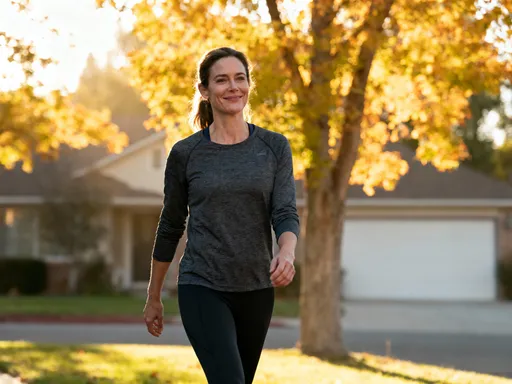
The good news is that you don’t need to spend hours in the gym to reap these benefits. Research shows that even 150 minutes of moderate-intensity activity per week — about 30 minutes a day, five days a week — can significantly improve health outcomes. The key is finding ways to incorporate movement into your daily routine. Take the stairs instead of the elevator. Park farther away from the store. Walk while on phone calls. Do a 10-minute stretch routine in the morning or before bed. These small actions add up and can make a big difference over time.
Movement also supports the immune system, reduces inflammation, and helps regulate hormones like insulin and cortisol. It improves sleep quality and boosts mood by increasing endorphins and reducing stress. For women in their 30s, 40s, and beyond, staying active can ease the transition through hormonal changes and support bone density, reducing the risk of osteoporosis. The goal isn’t to train for a marathon, but to stay consistently active in ways that feel good and fit your lifestyle. When movement becomes a regular part of your day, it stops being a chore and starts being a source of strength and energy.
Sleep: Your Nightly Reset Button for Health
Sleep is not a luxury — it’s a biological necessity. During sleep, your body repairs tissues, balances hormones, and clears waste products from the brain. This nightly reset is essential for maintaining energy, focus, and emotional stability. Poor sleep, on the other hand, accelerates aging by increasing inflammation, weakening immunity, and disrupting metabolic function. Chronic sleep deprivation is linked to a higher risk of heart disease, diabetes, obesity, and cognitive decline. Yet, many adults, especially women managing busy households and careers, consistently get less than the recommended 7–9 hours per night.
One of the most fascinating discoveries in recent years is the brain’s glymphatic system, which becomes highly active during deep sleep. This system flushes out toxins, including beta-amyloid proteins associated with Alzheimer’s disease. Without sufficient quality sleep, this cleanup process is impaired, increasing the risk of long-term brain health issues. Sleep also plays a crucial role in regulating stress hormones. When you’re sleep-deprived, cortisol levels rise, which can lead to increased appetite, weight gain, and anxiety. Over time, this creates a cycle that further disrupts sleep and accelerates aging.
Improving sleep hygiene can make a meaningful difference. Start by setting a consistent bedtime and wake-up time, even on weekends. This helps regulate your body’s internal clock. Limit screen time at least an hour before bed, as blue light from phones and tablets suppresses melatonin, the hormone that signals it’s time to sleep. Create a relaxing evening routine — perhaps reading, gentle stretching, or listening to calming music — to signal to your body that it’s time to wind down. Keep your bedroom cool, dark, and quiet, and use it only for sleep and intimacy, not for working or watching TV.
If you struggle with falling or staying asleep, consider small changes that can have a big impact. Avoid caffeine in the afternoon and limit alcohol, which may help you fall asleep but disrupts the quality of sleep later in the night. Stay hydrated during the day but reduce fluids close to bedtime to minimize nighttime awakenings. If stress keeps your mind racing, try writing down your thoughts in a journal before bed to clear your mind. Over time, these habits can help you fall asleep faster, stay asleep longer, and wake up feeling more refreshed. Prioritizing sleep isn’t selfish — it’s one of the most important things you can do for your long-term health.
Stress — The Silent Accelerator of Aging
Stress is a normal part of life, but when it becomes chronic, it takes a serious toll on the body. The stress response, designed to help us survive immediate threats, involves the release of hormones like cortisol and adrenaline. In short bursts, this response is helpful — it sharpens focus and prepares the body for action. But when stress is constant — due to work pressure, family responsibilities, financial concerns, or health issues — these hormones remain elevated, leading to wear and tear on multiple systems. This state, known as allostatic load, accelerates aging and increases the risk of heart disease, digestive problems, and weakened immunity.
One of the most striking findings in aging research is the link between chronic stress and telomere shortening. Studies have shown that people under prolonged psychological stress, such as caregivers of chronically ill family members, tend to have shorter telomeres, equivalent to several years of accelerated aging. This doesn’t mean stress will age you overnight, but it highlights how important it is to manage stress before it manages you. The good news is that even small, regular practices can help reduce the body’s stress response and protect cellular health.
Breathwork is one of the simplest and most effective tools. Deep, slow breathing activates the parasympathetic nervous system, which counteracts the fight-or-flight response. Try inhaling slowly through the nose for four counts, holding for four, exhaling for six, and pausing for two. Repeating this for just a few minutes can calm the mind and lower heart rate. Mindfulness practices, such as meditation or simply paying attention to the present moment without judgment, have also been shown to reduce stress and improve emotional regulation. You don’t need to meditate for an hour — even five minutes a day can make a difference.
Spending time in nature is another powerful stress reliever. Whether it’s a walk in the park, gardening, or sitting under a tree, being outdoors helps lower cortisol levels and improve mood. Even looking at images of nature or listening to natural sounds can have a calming effect. The key is consistency — making time for small pauses throughout the day, not waiting until you’re overwhelmed. These moments of stillness are not a luxury; they are a form of self-care that protects your long-term health. By managing stress proactively, you’re not just feeling better today — you’re slowing down the biological clock.
The Hidden Power of Social and Mental Engagement
Strong social connections and ongoing mental activity are often overlooked aspects of healthy aging, yet they play a crucial role in maintaining both physical and cognitive health. Humans are social beings, and meaningful relationships provide emotional support, reduce stress, and contribute to a sense of purpose. Research shows that people with active social lives have a lower risk of heart disease, stroke, and depression. Conversely, loneliness and social isolation are associated with a 30% higher risk of premature death — a risk comparable to smoking or obesity.
Mental engagement is equally important. Just as physical exercise strengthens the body, mental stimulation strengthens the brain. Activities like reading, solving puzzles, learning new skills, or engaging in thoughtful conversations help build cognitive reserve — the brain’s ability to adapt and function despite age-related changes. This doesn’t mean you need to earn a degree or master a new language, but staying curious and mentally active can delay the onset of memory problems and dementia. Hobbies that involve both hands and mind, such as knitting, painting, or playing music, are especially beneficial.
For many women, social roles shift over time — children grow up, careers change, friends move away. This makes it even more important to actively nurture relationships and seek out new connections. Joining a book club, volunteering, attending community events, or taking a class can provide both social interaction and mental stimulation. Even regular phone calls or video chats with loved ones can strengthen bonds and improve emotional well-being. The quality of connections matters more than quantity — a few deep, supportive relationships can have a greater impact than many superficial ones.
Staying mentally and socially active also supports emotional resilience. When life brings challenges — and it will — having a strong support network and an engaged mind helps you adapt and recover more quickly. These habits don’t just protect against decline; they enhance your ability to enjoy life at every stage. Aging well isn’t just about avoiding disease — it’s about staying connected, curious, and capable.
Putting It All Together: Building a Sustainable Routine
Living a longer, healthier life doesn’t require radical overhauls or extreme measures. The most effective approach is gradual, consistent change built on small, sustainable habits. Perfection is not the goal — progress is. Trying to change everything at once often leads to burnout and frustration. Instead, focus on one or two areas where you can make a lasting difference. Maybe it’s adding more vegetables to your meals, taking a daily walk, or setting a bedtime routine. Once those habits feel natural, you can build on them.
The power of these habits lies in their compounding effect. Just as interest grows in a savings account over time, small healthy choices accumulate to create significant benefits. Eating well, moving regularly, sleeping deeply, managing stress, and staying socially and mentally active work together to support every system in the body. They reduce inflammation, improve cellular function, and strengthen resilience against disease. Over the years, this adds up to more energy, better mood, and a greater ability to enjoy life.
It’s also important to recognize that everyone’s journey is different. What works for one person may not work for another. Listen to your body and adjust based on your needs, preferences, and health status. If you have existing medical conditions, consult with a healthcare professional before making major lifestyle changes. They can help you tailor these strategies to your individual situation and ensure they support your overall health goals.
Aging well is not a destination — it’s an ongoing process of self-care and prevention. It’s about making choices today that honor your future self. You can’t stop time, but you can influence how it affects you. By taking thoughtful, consistent action, you’re not just adding years to your life — you’re adding vitality, strength, and joy. The habits you build now are an investment in the woman you want to become: healthy, capable, and full of life, no matter your age.