How I Finally Tamed My Stress—And What My Body Told Me
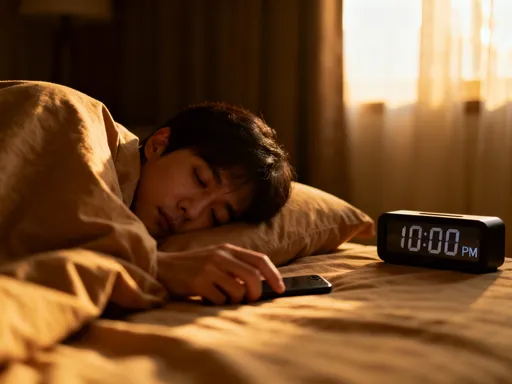
Stress used to run my life—racing heart, sleepless nights, constant tension. I knew I needed a change, but where to start? Instead of guessing, I stepped back and assessed my real stress triggers. What I discovered surprised me. It wasn’t just workload—it was patterns I’d ignored for years. This is how I took control, not with quick fixes, but by truly understanding my mental and physical signals. My journey wasn’t about dramatic transformations or miracle cures. It was about paying attention—really paying attention—to what my body and mind had been trying to tell me for a long time. And once I began listening, everything started to shift.
The Breaking Point: When Stress Became Impossible to Ignore
It wasn’t a single event that made me realize I was in trouble—it was a series of small but relentless warnings. I began waking up exhausted, even after eight hours of sleep. My shoulders were always tight, my jaw clenched by mid-morning. I found myself irritable over minor things: a delayed grocery line, a misplaced coffee cup, a child’s forgotten permission slip. At first, I brushed it off as normal adult life. Everyone feels tired sometimes, I told myself. Everyone gets a little short-tempered.
But then the headaches started—dull, persistent, and resistant to over-the-counter remedies. My digestion grew unpredictable. I caught every cold that went around the office. And worst of all, I stopped enjoying things I once loved: reading before bed, weekend walks, quiet mornings with tea. That’s when it hit me: I wasn’t just stressed. I was living in a state of chronic stress, and my body was sounding the alarm. I had normalized what should never have been normal.
What I didn’t realize at the time was that chronic stress isn’t just an emotional burden—it’s a physiological condition. When stress becomes constant, the body remains in a prolonged state of high alert, releasing stress hormones like cortisol and adrenaline far more often than intended. This overactivation wears down vital systems, from the immune response to cardiovascular health. Research shows that long-term stress is linked to increased risk of heart disease, digestive disorders, anxiety, and depression. Yet, many of us—especially women managing households, careers, and caregiving—tend to dismiss early symptoms as part of being ‘busy’ or ‘responsible.’
The turning point came when my doctor gently asked, ‘When was the last time you truly rested?’ I couldn’t answer. That question stayed with me. It wasn’t about laziness or indulgence. It was about survival. I realized that ignoring my stress wasn’t strength—it was self-neglect. And if I wanted to be present for my family, sustain my energy, and protect my long-term health, I needed to start with honest self-assessment. Not judgment. Not guilt. Just awareness.
What Is Stress, Really? A Simple Breakdown
Before I could manage stress, I needed to understand it. For years, I thought of stress as a personal failure—an inability to ‘handle it all.’ But stress is not a flaw. It’s a biological system designed to protect us. At its core, stress is the body’s natural alarm response. When we sense danger—real or perceived—our nervous system activates what’s known as the ‘fight-or-flight’ mechanism. The heart beats faster, muscles tense, breathing quickens, and the brain sharpens focus. This reaction helped our ancestors survive threats like predators or natural disasters.
Today, however, our threats are rarely life-or-death. Instead, they come in the form of overflowing inboxes, financial pressures, family conflicts, or even constant news cycles. The problem isn’t that we experience stress—it’s that we experience it too often, and for too long. This is the difference between acute and chronic stress. Acute stress is short-term and can even be beneficial, giving us the push to meet a deadline or respond to an emergency. But chronic stress occurs when the alarm system never fully turns off.
Imagine a car engine that’s always revving, even when parked. That’s what chronic stress does to the body. The constant release of stress hormones disrupts nearly every system. Digestion slows, which can lead to bloating, constipation, or acid reflux. The immune system becomes suppressed, making us more vulnerable to infections. Sleep quality declines, which further impairs recovery and cognitive function. Over time, this wear and tear increases the risk of serious health conditions, including high blood pressure, type 2 diabetes, and mental health disorders.
Equally important is the impact on mental clarity. Chronic stress clouds judgment, reduces patience, and makes emotional regulation harder. It’s not that we’re ‘overreacting’—it’s that our brain is operating under biological strain. Recognizing this helped me reframe my experience. I wasn’t weak. I wasn’t failing. I was responding to a real, physical condition that needed care, not criticism. Understanding stress as a biological process—not a personal shortcoming—was the first step toward change.
Checking In: How I Assessed My Own Stress Levels
Once I understood what stress was doing to my body, I needed a way to measure it—not with medical devices, but with daily awareness. I started with a simple practice: self-check-ins. Three times a day—morning, midday, and evening—I paused for one minute to ask myself: How do I feel right now? I rated my stress on a scale from 1 to 10 and noted any physical or emotional symptoms. At first, I was surprised by how often I rated myself at a 7 or 8 without even realizing it.
I also began journaling. Every night, I wrote down three things: my energy level, my mood, and one moment that triggered stress. I didn’t analyze or judge—just recorded. Over time, patterns emerged. I noticed that my stress spiked on days when I skipped breakfast, after long meetings, or when I tried to multitask during family time. I also saw that poor sleep didn’t just follow stress—it often preceded it. This feedback loop helped me see stress not as a vague feeling, but as a series of identifiable triggers and responses.
Another tool I used was a mood and energy tracker. I downloaded a simple app that let me log how I felt each hour. Within a week, I could see clear dips in energy between 3 and 4 p.m., and a consistent rise in irritability when I hadn’t moved my body all day. These observations weren’t about perfection—they were about insight. I learned that awareness doesn’t require complex tools. A notebook, a calendar, or even voice memos on your phone can help you gather the data you need.
The key was consistency and honesty. I reminded myself that this wasn’t a test. There were no right or wrong answers. The goal wasn’t to feel better every day, but to understand my patterns. Over time, this practice helped me shift from reacting to stress to recognizing it early—like spotting storm clouds before the rain starts. And that made all the difference.
Mind-Body Mismatch: What My Symptoms Were Trying to Say
One of the most revealing parts of my journey was learning to interpret my body’s signals. For years, I treated physical symptoms as separate from emotional ones. A headache was just a headache. Tension in my neck was from poor posture. But as I paid closer attention, I realized these weren’t isolated issues—they were messages. My body was communicating what my mind had been too busy to acknowledge.
Take muscle tension, for example. I used to think my tight shoulders were from sitting at a desk. But I noticed they flared up not during work, but after difficult conversations or when I was avoiding a decision. My body was holding the tension my mind refused to process. Similarly, stomach discomfort often followed moments of anxiety—like checking my bank account or preparing for a family event. Digestive issues, research shows, are closely tied to the gut-brain axis, where emotional stress can directly impact digestion.
Emotional cues were just as telling. I used to snap at my children over small things—lost shoes, spilled drinks—and then feel guilty afterward. But instead of blaming myself, I began asking: What was I feeling before that moment? Often, it was exhaustion, or the pressure of unfinished tasks. My irritation wasn’t about the spilled milk—it was about feeling overwhelmed. Procrastination, too, wasn’t laziness. It was often a sign of fear—fear of failure, fear of not being good enough.
Recognizing these patterns changed how I responded. Instead of pushing through, I started pausing. When my jaw clenched, I took three deep breaths. When my stomach felt off, I stepped away from screens and drank warm water. When I felt short-tempered, I gave myself permission to say, ‘I need a moment.’ These small acts weren’t escapes—they were acknowledgments. They told my body, ‘I see you. I hear you.’ And slowly, the signals became less intense, because they no longer had to scream to be noticed.
Three Shifts That Actually Worked (No Gimmicks)
With a clearer understanding of my stress, I began testing small changes. I didn’t look for quick fixes or trendy solutions. Instead, I focused on sustainable shifts—simple, science-backed strategies that I could adjust based on feedback. Three stood out as truly effective.
The first was aligning my daily rhythm with my natural energy cycles—a concept known as chronobiology. I stopped forcing myself to be productive at times when my energy was low. Instead of scheduling demanding tasks for late afternoon, when I typically felt drained, I moved them to the morning, when my focus was sharpest. I also began protecting my first hour of the day: no emails, no news, just quiet time with tea and intention-setting. This shift wasn’t about doing more—it was about working with my body, not against it. The result? Fewer mental blocks, less frustration, and a greater sense of control.
The second shift was incorporating micro-pauses. I learned that even 60 seconds of intentional stillness could reset my nervous system. During high-pressure moments—like a tense phone call or a chaotic morning—I began stepping away for a brief reset. I’d close my eyes, place a hand on my chest, and take three slow breaths. Sometimes I’d step outside and feel the air on my skin. These pauses weren’t escapes—they were recalibrations. Research supports this: brief mindfulness breaks reduce cortisol levels and improve emotional regulation. Over time, these micro-moments became anchors, helping me stay grounded even on busy days.
The third shift was using movement as a reset. I didn’t start going to the gym or training for marathons. Instead, I began taking short walks—10 to 15 minutes—after lunch or during breaks. If I couldn’t go outside, I did gentle stretching at my desk: rolling my shoulders, touching my toes, rotating my wrists. Movement, even in small doses, helps the body process stress hormones and clears mental fog. It also signals safety to the nervous system. I noticed that after a short walk, problems that felt overwhelming suddenly seemed manageable. This wasn’t magic—it was physiology. My body was literally moving stress out, rather than storing it.
What made these shifts work was not their complexity, but their consistency. I tested each one, adjusted it to fit my life, and paid attention to how I felt. If something didn’t help, I modified it or let it go. This approach kept me from feeling overwhelmed by change—and made progress feel achievable.
Why Tracking Progress Matters—And How I Did It
Change doesn’t always feel dramatic. Some days, I didn’t notice any difference. But when I looked back over weeks and months, the progress was clear. I slept more soundly. I reacted less impulsively. I had more moments of calm. Tracking these small wins helped me stay motivated, especially when setbacks occurred.
I continued using my journal, but now I added a simple rating system: each night, I scored my day from 1 to 5 based on energy, mood, and stress. I also noted one positive thing—no matter how small. Over time, I could see trends. Weeks with more walks had higher average scores. Days with morning quiet time had fewer irritability spikes. This data wasn’t about perfection—it was about patterns. It showed me what worked, and what needed adjustment.
I also used voice memos. On particularly good or hard days, I recorded a brief reflection. Hearing my own voice describe a ‘good day’ helped me remember what balance felt like. It also made setbacks less discouraging. I could listen and remind myself: ‘You’ve been here before. You found your way back.’
Most importantly, I learned to be patient. Progress wasn’t linear. Some weeks, old habits returned. Stress flared during family visits or work deadlines. But instead of seeing this as failure, I began viewing it as feedback. Setbacks weren’t the end—they were part of the process. Self-compassion became essential. I stopped asking, ‘Why can’t I get this right?’ and started asking, ‘What do I need right now?’ That shift in mindset made all the difference.
Living With Stress, Not Against It: A New Mindset
The biggest change wasn’t in my routine—it was in my relationship with stress. I stopped seeing it as an enemy to defeat and started seeing it as a signal to understand. Stress isn’t the problem. It’s the body’s way of saying something needs attention. The real issue is ignoring it—or fighting it so hard that we exhaust ourselves further.
Today, I maintain a personal feedback loop: assess, act, adjust. I still check in with myself daily. I still take micro-pauses. I still move my body and protect my rhythm. But now, it’s not a crisis response—it’s a practice. It’s part of how I care for myself, just like eating well or staying connected with loved ones.
I’ve also learned when to seek support. There were moments when self-help wasn’t enough. Talking to a counselor helped me unpack deeper patterns. A few sessions gave me tools I still use today. There’s no shame in asking for help. In fact, it’s one of the strongest things we can do.
This journey taught me that well-being isn’t about eliminating stress. It’s about staying in tune. It’s about listening with curiosity, responding with care, and adjusting with kindness. We don’t have to live in survival mode. We can learn to live in balance—one small, mindful choice at a time.
Managing stress isn’t about eliminating it completely—it’s about listening, responding, and staying in tune. By assessing honestly and acting with care, we can shift from survival mode to sustainable well-being. This journey taught me that the most powerful tool isn’t a trick or hack—it’s awareness. And that’s something anyone can start today.